
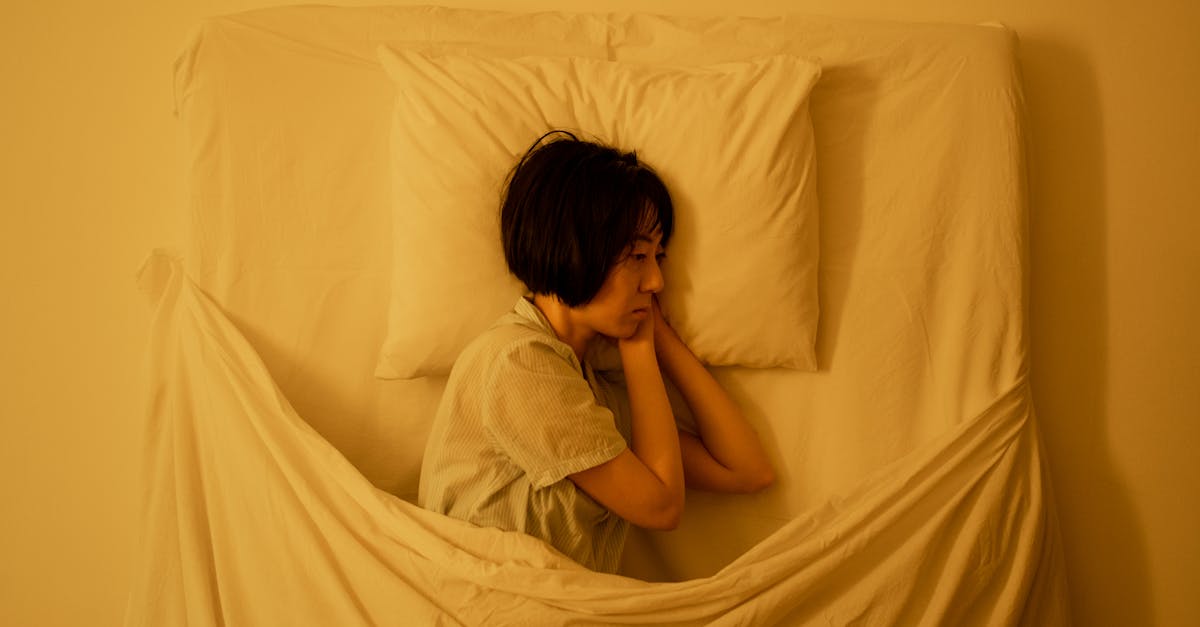

# Sleep and Depression: Enhancing Rest for Better Mental Health
Sleep is a fundamental aspect of our well-being, influencing everything from our mood to our cognitive functions. For individuals grappling with depression, the relationship between sleep and mental health can be particularly complex. Poor sleep can exacerbate depressive symptoms, while depression can lead to sleep disturbances, creating a vicious cycle that can be challenging to break. Understanding this interplay is crucial for anyone looking to improve their mental health through better sleep practices.
## The Link Between Sleep and Depression
Research has established a strong connection between sleep and depression. Individuals suffering from depression often report difficulties falling asleep, staying asleep, or waking up too early. According to the National Sleep Foundation, around 90% of people with depression experience sleep problems, making it a common yet often overlooked symptom.
Conversely, lack of sleep can significantly impact mood and emotional regulation. Chronic sleep deprivation has been linked to increased irritability, anxiety, and a heightened risk of developing depressive disorders. This bidirectional relationship means that addressing sleep issues can play a critical role in managing depression.
## Understanding Sleep Disorders Commonly Associated with Depression
Several sleep disorders frequently co-occur with depression, making it essential to recognize and address them. Some of the most common include:
1. **Insomnia**: This condition, characterized by difficulty falling or staying asleep, is prevalent among those with depression. Insomnia can lead to a cycle of fatigue and worsening mood, making it harder for individuals to engage in daily activities.
2. **Sleep Apnea**: A serious condition where breathing repeatedly stops and starts during sleep, sleep apnea can lead to fragmented rest and excessive daytime sleepiness. Those with sleep apnea may not realize they have it, but it can significantly affect mood and overall health.
3. **Hypersomnia**: Unlike insomnia, hypersomnia involves excessive sleepiness during the day or prolonged nighttime sleep. This condition can lead to feelings of lethargy and may worsen depressive symptoms, creating a cycle of inactivity and low motivation.
Recognizing these disorders is the first step toward managing both sleep quality and depressive symptoms effectively.
## Strategies for Improving Sleep Quality
Improving sleep quality can be a game changer for those dealing with depression. Here are several strategies to consider:
### 1. Establish a Sleep Routine
Creating a consistent sleep schedule helps regulate your body’s internal clock. Aim to go to bed and wake up at the same time every day, even on weekends. This consistency can improve sleep quality and make it easier to fall asleep and wake up.
### 2. Create a Restful Environment
Your sleeping environment plays a significant role in sleep quality. Make your bedroom conducive to rest by keeping it cool, dark, and quiet. Consider investing in blackout curtains, a white noise machine, or comfortable bedding to enhance your sleep environment.
### 3. Limit Stimulants and Screen Time
Caffeine, nicotine, and electronic devices can interfere with your ability to fall asleep. Try to limit caffeine intake in the afternoon and evening, and establish a “screen-free” period at least an hour before bedtime. Instead, consider engaging in calming activities such as reading, meditating, or gentle stretching.
### 4. Incorporate Relaxation Techniques
Practicing relaxation techniques can significantly improve sleep quality. Techniques such as deep breathing, progressive muscle relaxation, or mindfulness meditation can help calm your mind and prepare your body for sleep. These practices can also reduce anxiety and stress, which are often linked to depression.
### 5. Seek Professional Help
If sleep issues persist despite implementing these strategies, it may be time to consult a healthcare professional. A mental health specialist can help identify underlying issues and recommend appropriate treatments, such as cognitive-behavioral therapy for insomnia (CBT-I) or medication if necessary.
## Conclusion: Taking Action for Better Sleep and Mental Health
The relationship between sleep and depression is intricate and multifaceted. By understanding how sleep affects mental health and taking actionable steps to improve sleep quality, individuals can significantly enhance their overall well-being. Remember, the journey to better sleep and improved mental health may take time and patience, but the benefits are well worth the effort.
### Actionable Tips:
– **Prioritize Sleep**: Make sleep a non-negotiable part of your daily routine.
– **Monitor Your Sleep Patterns**: Keep a sleep diary to track your sleep habits and identify patterns.
– **Be Patient**: Change takes time; give yourself grace as you work toward better sleep and mental health.
—
**Meta Description**: Discover the essential connection between sleep and depression, and learn practical strategies to enhance your rest for improved mental health.
**Tags/Keywords**: sleep and depression, improve sleep quality, mental health, insomnia, sleep disorders
