
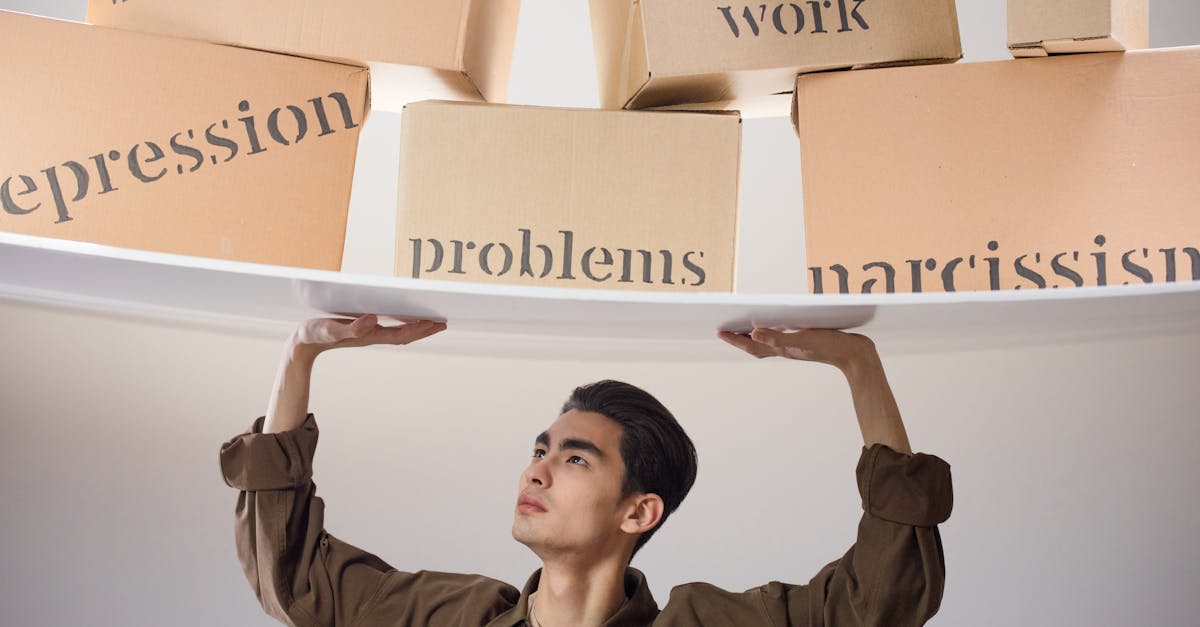

**Title: Navigating the Storm: Effective Coping Strategies for Anxiety-Related Depression**
**Introduction**
Anxiety and depression often intertwine, creating a challenging emotional landscape for those affected. The weight of persistent worry can lead to feelings of hopelessness, fatigue, and sadness. Understanding that you are not alone in this struggle is the first step toward healing. This article aims to provide you with effective coping strategies that can help alleviate the symptoms of anxiety-related depression, empowering you to reclaim your well-being.
### Understanding the Connection Between Anxiety and Depression
Before diving into coping strategies, it’s essential to grasp how anxiety and depression can coexist. Anxiety is characterized by excessive worry, restlessness, and fear, while depression often manifests as persistent sadness, lack of interest, and fatigue. When these two conditions overlap, they can amplify each other, creating a vicious cycle that can be difficult to break. Recognizing this connection can help you understand your feelings and encourage you to seek appropriate coping mechanisms.
### 1. Mindfulness and Meditation: Anchoring Your Thoughts
Practicing mindfulness and meditation can significantly reduce anxiety and depressive symptoms. This approach encourages individuals to focus on the present moment, which can help mitigate overwhelming thoughts and feelings. Techniques such as deep breathing, guided imagery, and body scans can ground you in the here and now.
**Actionable Tip:** Start with just five minutes a day. Find a quiet place, close your eyes, and focus on your breath. As thoughts arise, acknowledge them and gently redirect your focus back to your breathing. Gradually increase your meditation time as you become more comfortable with the practice.
### 2. Physical Activity: Moving Your Body, Uplifting Your Mind
Regular physical activity is a powerful antidote to anxiety-related depression. Exercise releases endorphins, the body’s natural mood lifters, and promotes overall mental well-being. Whether it’s a brisk walk, a yoga session, or a dance class, finding a form of movement that you enjoy can provide a sense of accomplishment and joy.
**Actionable Tip:** Aim for at least 30 minutes of moderate exercise most days of the week. If you’re unsure where to start, consider joining a local class or finding an online workout that resonates with you. Remember, the goal is to find joy in movement, not to push yourself to exhaustion.
### 3. Building a Support Network: Connecting with Others
Isolation can exacerbate feelings of anxiety and depression. Building a support network of friends, family, or support groups can provide a sense of belonging and understanding. Sharing your experiences with others who have faced similar struggles can foster healing and remind you that you are not alone.
**Actionable Tip:** Reach out to someone you trust and share how you’re feeling. If you don’t feel comfortable discussing your mental health with friends or family, consider joining a support group, either in-person or online. Connecting with others who understand your experience can be a vital step in your healing journey.
### 4. Professional Help: Seeking Guidance from Experts
While self-help strategies can be incredibly effective, sometimes the guidance of a mental health professional is necessary. Therapists and counselors can provide tailored coping strategies and support to help you navigate the complexities of anxiety-related depression. Cognitive Behavioral Therapy (CBT) and other therapeutic approaches can empower you to challenge negative thought patterns and develop healthier coping mechanisms.
**Actionable Tip:** If you’re considering therapy, research local mental health professionals and read reviews to find someone who resonates with you. Many therapists offer a free initial consultation, which can help you determine if they’re a good fit for your needs.
### 5. Healthy Lifestyle Choices: Nourishing Your Mind and Body
Lifestyle choices play a crucial role in managing anxiety-related depression. A balanced diet, adequate sleep, and hydration can significantly impact your mood and energy levels. Prioritizing self-care is not a luxury; it’s a necessity for mental well-being.
**Actionable Tip:** Keep a journal to track your eating habits, sleep patterns, and how they correlate with your mood. Small changes, such as incorporating more fruits and vegetables into your meals or establishing a consistent sleep schedule, can make a remarkable difference in your overall mental health.
**Conclusion**
Coping with anxiety-related depression can feel overwhelming, but implementing these strategies can help you regain control over your emotional health. Remember, it’s okay to seek help, take things one step at a time, and be compassionate toward yourself throughout this journey. Start small, celebrate your progress, and don’t hesitate to reach out for support when needed.
**Meta Description:** Discover effective coping strategies for anxiety-related depression. Learn how mindfulness, physical activity, and support networks can help you navigate your mental health journey.
**Tags/Keywords:** Anxiety-related depression, coping strategies, mindfulness, support networks, mental health tips.
